




7-Seats, Super Cruise, and Sterling Gray Metallic: Everything We Know About the 2026 Chevy Traverse
The Traverse boasts uncompromised space and intuitive features that have landed it on MotorTrend’s Best Tech for 2025.
What more could you possibly ask for in a three-row SUV?
The Chevy Traverse for 2026 may hold a similar feel and design compared to its predecessors, but it continues its longstanding tradition of practicality and family-friendly focus without fail.
A new model year often is accompanied by a few questions… Read the rest of this entry »
The Heavyweight Hauler: Exploring the 2025 Chevy Colorado Towing Capacity and Engine Performance
The Chevy Colorado for 2025 arrived with new color choices, new standard packages, and a more powerful engine that’s sure to impress.
Originally thought to be a consolation prize for those who could not upgrade to a full-size pickup, the Colorado has proven that a smaller build doesn’t always mean less to offer. Read the rest of this entry »
2026 is gearing up to redefine limitations and break boundaries in the automotive market, and Chevy is leading the charge. The introduction of the highly anticipated Chevy Silverado EV Trail Boss trim inspired the automaker to reset, redefine, and revamp some of its beloved models.
The 2026 Corvette lineup is poised to be more than a high-speed, performance-ready racecar. It’s a luxurious, tech-savvy cockpit on wheels that delivers thrills both inside and out. Read the rest of this entry »
The Chevy Silverado for 2026 is here, and it provides more power, more range, and a new trim designed for living life off the grid.
The new Silverado EV, now in its third year of production, is committed to delivering purpose and environmentally friendly driving standards to the full-size truck market.
With the ability to move from 0 to 60 mph in just 4.1 seconds, and continue on the road for an EPA-estimated 493 miles of range, this new Silverado is venturing further than most trucks dared to dream possible.
What else will you find behind the wheel of this pickup? Keep reading to find out! Read the rest of this entry »
There are many things a growing family needs: an adaptable living space, plenty of diapers, and a vehicle that is functional and safe.
While we can’t help expand your home or provide diapers, we can help you find the perfect vehicle for an expanding family — and we have just the vehicle for the job.
The 2025 Chevy Traverse is generous with space and standard safety features. With its versatile interior and the added confidence behind the wheel, this midsize, three-row SUV may be just what your family needs for the new adventure ahead. Read the rest of this entry »
The new Chevy Trax is a subcompact SUV that rivals the biggest names in the automotive market.
Delivering style, substance, and a host of standard features at an attractive price point, the new Trax is the perfect vehicle for first-time buyers.
It also has a spot on Car and Driver’s Editor’s Choice List, as well as a top spot on their 10 Best Trucks, SUVs, and Vans for 2025. Keep reading to find out what makes the Trax stand out for first-time buyers and why it’s worth a test drive. Read the rest of this entry »
Chevrolet’s latest compact SUV may be small in appearance, but it commands the room.
Completely redesigned for 2025, the Equinox is proving itself to be this year’s must-have SUV. With a full cabin makeover, bold new dashboard design, and an updated turbocharged engine, the Chevy Equinox is more than an eye-catching driveway ornament; it’s a bold and refined statement piece.
Is Radiant Red your color? Let the team at House Chevrolet Owatonna help you find out!
The Chevrolet Traverse is an exceptional three-row SUV that blends style, space, and performance. As we compare the 2024 and 2025 Chevrolet Traverse, it’s important to highlight the differences and improvements that each model brings to the table. Whether you’re considering the 2024 Chevrolet Traverse LS or the new 2025 model, understanding what each year offers will help you make a more informed decision.
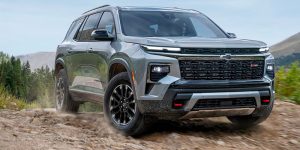
Key Features of the 2024 Chevrolet Traverse
The 2024 Chevrolet Traverse continues to impress with its mix of practical features, comfort, and rugged performance. Designed for families and adventure seekers alike, the 2024 Traverse remains one of the most versatile SUVs on the market.
Performance and Powertrain
-
Engine Options: The 2024 Chevrolet Traverse LS comes standard with a 3.6-liter V6 engine, delivering 310 horsepower. This engine provides an ideal balance between power and fuel efficiency, making the Traverse a strong contender in its class.
-
Towing Capacity: With a towing capacity of up to 5,000 pounds, the Traverse LS is equipped to handle most trailers and equipment with ease, making it perfect for road trips and outdoor adventures.
Traverse Z71 2024: Built for Off-Road Capability
-
Off-Road Focus: The Traverse Z71 2024 offers an enhanced driving experience for those who like to venture off the beaten path. It features a more rugged design with increased ground clearance, skid plates, and off-road tires for better handling on challenging terrains.
-
Enhanced Suspension: The Z71 trim includes a sportier suspension that improves off-road handling without compromising comfort during daily drives.
2024 Chevy Traverse Interior: Comfort and Convenience
-
Cabin Space: The 2024 Traverse boasts a spacious cabin, comfortably seating up to eight passengers. With ample legroom and cargo space, it’s a fantastic option for families and group trips.
-
Infotainment and Technology: The 2024 Traverse LS includes a standard 8-inch touchscreen with Chevy’s intuitive infotainment system, supporting Apple CarPlay and Android Auto. It ensures that you and your passengers stay connected and entertained on every journey.
What’s New in the 2025 Chevrolet Traverse?
The 2025 Chevrolet Traverse introduces some exciting upgrades and refinements, building on the success of the 2024 model. If you’re looking for a more advanced SUV with enhanced features, the 2025 Traverse might be the better choice.
Performance Enhancements for 2025
-
Engine Refinements: While the 2025 Traverse retains the same 3.6-liter V6 engine, improvements in engine management and fuel efficiency provide better overall performance. The 2025 model delivers a smoother driving experience, with better throttle response and refined power delivery.
-
Suspension Updates: The suspension in the 2025 Traverse has been fine-tuned for a smoother ride, whether you’re cruising on highways or navigating through city streets. These updates enhance the ride quality for passengers.
2025 Chevrolet Traverse Interior: A Step Forward
-
Redesigned Cabin: The 2025 model includes new materials and updated design elements for a more luxurious and modern feel. The interior is quieter, thanks to additional sound insulation, ensuring a more comfortable and relaxing driving experience.
-
Tech Upgrades: The 2025 Traverse comes with an upgraded infotainment system, featuring a larger touchscreen and more advanced connectivity options. It also offers new tech features like wireless charging and an optional 12-inch digital display for the driver.
Safety Features
-
Updated Safety Systems: While the 2024 model comes with standard safety features, the 2025 Traverse includes additional driver assistance systems. Enhanced cameras, sensors, and radar provide a more refined suite of safety features, including adaptive cruise control and lane-keeping assist.
Choosing Between the 2024 and 2025 Chevrolet Traverse
Whether you decide to lease a Chevrolet Traverse or purchase one outright, both the 2024 and 2025 models offer strong options for families and adventure lovers. Here are a few key points to consider:
-
2024 Chevrolet Traverse LS: The 2024 LS is ideal for those looking for a well-rounded, reliable SUV that balances power, space, and advanced technology.
-
Traverse Z71 2024: If off-road capabilities are a priority, the Z71 trim offers the added ruggedness and enhanced suspension needed for outdoor adventures.
-
2025 Chevrolet Traverse: The 2025 model builds upon the 2024 version with more refined features, better tech integration, and a quieter cabin. If you want the latest updates in comfort and performance, the 2025 Traverse is worth considering.
In the end, whether you choose the 2024 Chevrolet Traverse LS, the 2024 Traverse Z71, or the new 2025 model from House Chevrolet Owatonna, both years provide incredible versatility, space, and performance. The 2025 model brings in fresh updates that elevate the driving experience, but the 2024 Traverse remains a strong option for those seeking excellent value and capability. Regardless of which model you choose, the Chevrolet Traverse remains a top choice for those in need of a reliable, family-friendly SUV.
The Chevy Silverado 1500 is the truck America depends on, long seen as a hardworking staple for everyone from farmers to contractors. From its range of engines that gives you confidence for any job or adventure to an incredible 13,300-pound max towing capacity that raises no question about its power, the Silverado 1500 has never been seen as anything other than a powerful, full-size pickup.
Until now.
The 2025 Silverado 1500 has taken a long look in the mirror and is making some changes. Read the rest of this entry »
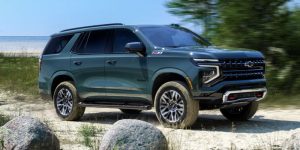
At House Chevrolet in Owatonna, MN, we recognize that purchasing a new Chevy comes with important questions about warranty coverage. Chevrolet warranties provide comprehensive protection designed to keep your vehicle running smoothly and help you avoid unexpected repair costs. This guide details what the Chevrolet warranty covers, focusing on the Chevy powertrain warranty, and answers frequently asked questions to help you understand the benefits and scope of your coverage.
What Does the Chevrolet Warranty Cover?
Chevrolet offers a range of warranty coverages that protect different aspects of your vehicle. These warranties work together to provide you with confidence and peace of mind during your ownership experience.
Basic Limited Warranty
-
Covers most components of your vehicle from defects in materials or workmanship
-
Typically valid for 3 years or 36,000 miles, whichever comes first
-
Includes repairs and replacements necessary to correct covered issues
-
Does not generally cover wear-and-tear items like brake pads, tires, or routine maintenance parts
Powertrain Warranty
-
Covers critical engine, transmission, and drivetrain components
-
Provides protection for 5 years or 60,000 miles, whichever occurs first
-
Includes components such as the engine block, cylinder heads, transmission case, drive shafts, and more
-
Essential for safeguarding the core mechanical systems that impact your vehicle’s performance
Corrosion Protection Warranty
-
Protects against rust-through corrosion on body panels
-
Usually lasts 6 years or 100,000 miles
-
Helps maintain vehicle appearance and structural integrity
Emission Control System Warranty
-
Complies with federal and state regulations on emissions
-
Covers emissions-related components for varying time frames depending on the part
-
Important for environmental compliance and vehicle efficiency
Frequently Asked Questions About Chevrolet Warranty
Q: Is routine maintenance covered under the Chevrolet warranty?
Routine maintenance such as oil changes, tire rotations, and brake pad replacements are not covered under the basic warranty. These are the owner’s responsibility.
Q: What is covered under the Chevy powertrain warranty?
The powertrain warranty protects major components like the engine, transmission, transfer case, and drive axles against defects or failures.
Q: Can I get service at any dealership during the warranty period?
Yes, Chevrolet warranties are honored at authorized Chevy dealerships nationwide, including House Chevrolet in Owatonna, MN.
Q: Does the warranty cover repairs due to accidents or misuse?
No, warranties do not cover damage caused by accidents, misuse, modifications, or unauthorized repairs.
Q: What should I do if I experience an issue covered by the warranty?
Bring your vehicle to an authorized Chevrolet service center for diagnosis and repair. Keep your service records updated to ensure smooth warranty claims.
Why the Chevrolet Warranty Matters
The Chevrolet warranty system is designed to protect your investment and deliver confidence in your vehicle’s reliability. Knowing the scope of your Chevy warranty helps you plan maintenance and repairs effectively. At House Chevrolet, our certified technicians specialize in warranty service, ensuring that your Chevy is cared for by experts who understand its design and engineering.
Experience the full benefits of Chevrolet warranty coverage and expert service at House Chevrolet in Owatonna, MN. Our team is ready to assist you in maximizing your ownership experience with trusted protection and support.
Connect with us


- 2025 Chevy Colorado Towing
- 2025 Chevy Equinox Colors
- 2025 Chevy Silverado 1500
- 2025 Chevy Traverse
- 2025 Chevy Trax
- 2026 Chevrolet Corvette Interior
- 2026 Chevrolet Corvette ZR1X
- 2026 Chevy Blazer
- 2026 Chevy Equinox
- 2026 Chevy Silverado EV
- 2026 Chevy Tahoe
- 2026 Chevy Trailblazer
- 2026 Chevy Traverse
- 2026 Colorado
- 2027 Chevy Bolt
- Car Maintenance Checklist
- Chevy Tires
- House Chevrolet Cadillac
- House Chevrolet Warranty
- MyChevrolet App
- Uncategorized